Navigating Sustainable Alternatives When Traditional Packaging Fails
The packaging industry stands at a critical crossroads. For decades, the convenience of Styrofoam peanuts, rigid plastics, and single-use cardboard has been paramount, but this ease came at an environmental cost that is becoming increasingly difficult to ignore. Consumers, regulators, and planetary ecosystems alike are demanding better solutions. If your current supply chain relies on packaging methods destined for a landfill (and let’s be honest, who hasn't stared mournfully into a mountain of plastic?), it's time to pivot. Finding sustainable alternatives when traditional packaging fails is not just an ethical choice; it’s rapidly becoming an economic necessity and a competitive advantage. This comprehensive guide will explore the revolutionary materials, innovative design thinking, and logistical shifts required to build a truly circular packaging system.
Understanding the Packaging Crisis: Why Change Is Non-Negotiable
The sheer volume of waste generated by conventional packaging has reached alarming proportions. We are no longer talking about minor inconveniences; we are discussing systemic environmental challenges that require radical rethinking from raw materials to consumer disposal. The traditional linear model—take, make, dispose—is simply broken. Understanding the depth of this problem is the first step toward building a sustainable solution.
The Environmental Weight of Plastic and Foam
Most conventional packaging relies on fossil fuels for creation and massive energy expenditure for transport. Plastics can take hundreds of years to degrade, leaching microplastics into our water tables and demanding complex infrastructure that many municipalities simply lack. When we talk about the failure of traditional methods, we aren't just discussing aesthetics; we are talking about chemical persistence.
Beyond Recycling: The Myth of Perpetual Circularity
While recycling is vital, it often falls short. Many plastics require specialized facilities (and sometimes even specific geographical locations) that don’t exist everywhere. Furthermore, the process itself uses significant energy BBQ Gift Set and can degrade material quality over time—a concept known as "downcycling." Therefore, true sustainability requires looking beyond the bin, asking: Can this item be designed out of existence? This realization forces companies to seek sustainable alternatives when traditional packaging fails, moving toward reuse models rather than just better recycling.
Material Innovation: The Future is Biodegradable and Compostable
The core solution lies in materials that mimic nature’s own closed-loop systems. Modern science has gifted us a spectrum of options, each suited for different product categories and supply chain needs. Finding the right material requires treating it less like a replacement and more like a specialized ingredient.
Plant-Based Polymers and Bioplastics
Bioplastics are perhaps the most talked-about solution. These polymers, derived from renewable biomass sources such as corn starch, potato starch, or sugarcane bagasse, offer performance comparable to petroleum-based plastics but with a vastly reduced carbon footprint. They can be designed for specific end-of-life scenarios—some requiring industrial composting, others simply degrading in natural environments.
Mycelium and Mushroom Packaging: The Unexpected Hero
One of the most exciting advancements is the use of mycelium (the root structure of mushrooms). Companies are successfully growing packaging materials by feeding waste agricultural inputs to fungal networks. These resulting structures offer incredible insulating properties, are fully compostable at home, and possess a unique aesthetic appeal. It’s almost like nature did our design work for us!
Seaweed and Algae-Derived Materials
Don't underestimate the power of ocean resources. Packaging derived from seaweed or algae is gaining traction because these organisms grow rapidly without consuming fresh water or competing with food crops. They are often completely biodegradable, making them perfect for single-use applications where contamination control is key. This innovative shift proves that sometimes, the best solutions come from the most overlooked sources.
Rethinking Logistics: Designing for Reuse and Refill
The pinnacle of sustainable packaging design isn't just about what it's made of; it’s about how often it can be used. The ultimate sustainable alternatives when traditional packaging fails involves transitioning away from single-use items entirely, embracing a circular economy mindset.
Implementing the Returnable Container Model
This is the operational heart of sustainable design. Instead of sending out cardboard and plastic containers that are discarded after one use, businesses adopt robust, durable primary packaging meant to be collected, sanitized, refilled, and redeployed indefinitely. Think reusable glass jars for cosmetics or sturdy metal tins for gourmet goods. This requires a logistical overhaul but dramatically reduces waste streams.
The Power of Refill Stations and Digital Infrastructure
For consumer packaged goods (CPGs), the refill model is gaining massive momentum. Retailers can implement in-store bulk dispensers, while e-commerce companies can utilize highly durable, standardized packaging that customers return to local hubs. This shift requires investing in smart tracking technologies—digital passports for containers—to manage their lifespan and inventory efficiently.
Quote: "The greatest threat to our planet is the belief that someone else will save it." — Robert Swan. The onus of change rests with material science, logistics, and consumer demand working together.
Making Your Selection Count: Actionable Steps Forward
Navigating this complex landscape can feel overwhelming, like trying to herd highly enthusiastic, but slightly erratic, sustainable materials. Where do you begin? Start by asking three fundamental questions about your current packaging system: Is it truly compostable in my local environment? Can I design the product so that the packaging is designed for collection and reuse? And finally, does this solve the root problem, or just mask it?
Key Considerations for Evaluation
To make informed decisions, evaluate alternatives based on these criteria:
- Source: Is the raw material renewable (e.g., plant-based) or derived from waste streams (e.g., agricultural residue)?
- End-of-Life Pathway: Does it require industrial composting, or can it degrade in a backyard compost heap or natural waterway?
- Performance: Does the new material maintain necessary structural integrity and barrier properties (moisture, oxygen) for the product's lifespan?
Consider this anecdote: A small artisanal soap company initially struggled with traditional plastic wrapping. After researching alternatives, they adopted packaging made from pulp derived from local coffee grounds, which not only looked rustic but also eliminated their waste disposal costs while appealing to an environmentally conscious clientele. The synergy between solving a problem and improving the bottom line was immediate.
The journey toward truly sustainable packaging is complex—it's not a single switch flip; it’s a continuous flow of innovation and commitment. By understanding that sustainable alternatives when traditional packaging fails are fundamentally about systemic redesign, businesses can transform waste into value, ensuring their products arrive at the customer with minimal planetary footprint.
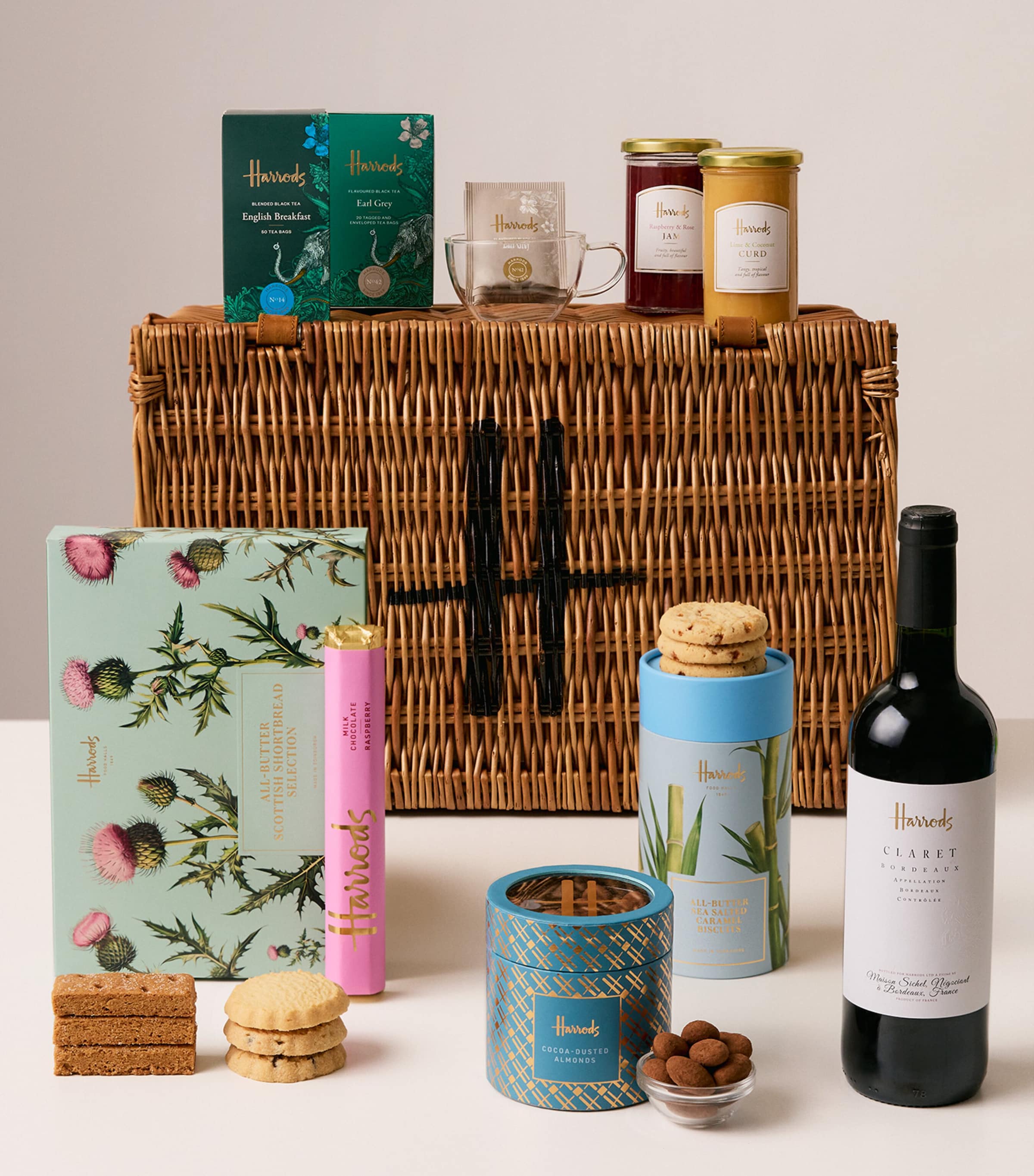

What steps can your brand take today? Start by auditing every component of your current packaging process. Are there simple changes—like eliminating internal plastic wraps or switching to paper tape—that yield immediate results? By prioritizing design that minimizes material use and maximizes reuse potential, you are not just buying a new box; you are investing in a resilient future for your brand and the planet.